Appliance Torsion Springs, Compression Springs and Extension Springs
Since 1955, we have manufactured custom springs for appliance OEM programs, producing appliance torsion springs, compression springs, and extension springs to customer print at volumes from 100,000 to millions parts per year. As an appliance springs manufacturer, we build and maintain tooling in-house and manage production against your dimensional requirements from first article through the life of each program. Our team works directly with appliance engineers and procurement managers sourcing springs for new and existing programs, managing tooling, production, and documentation under one quality system.
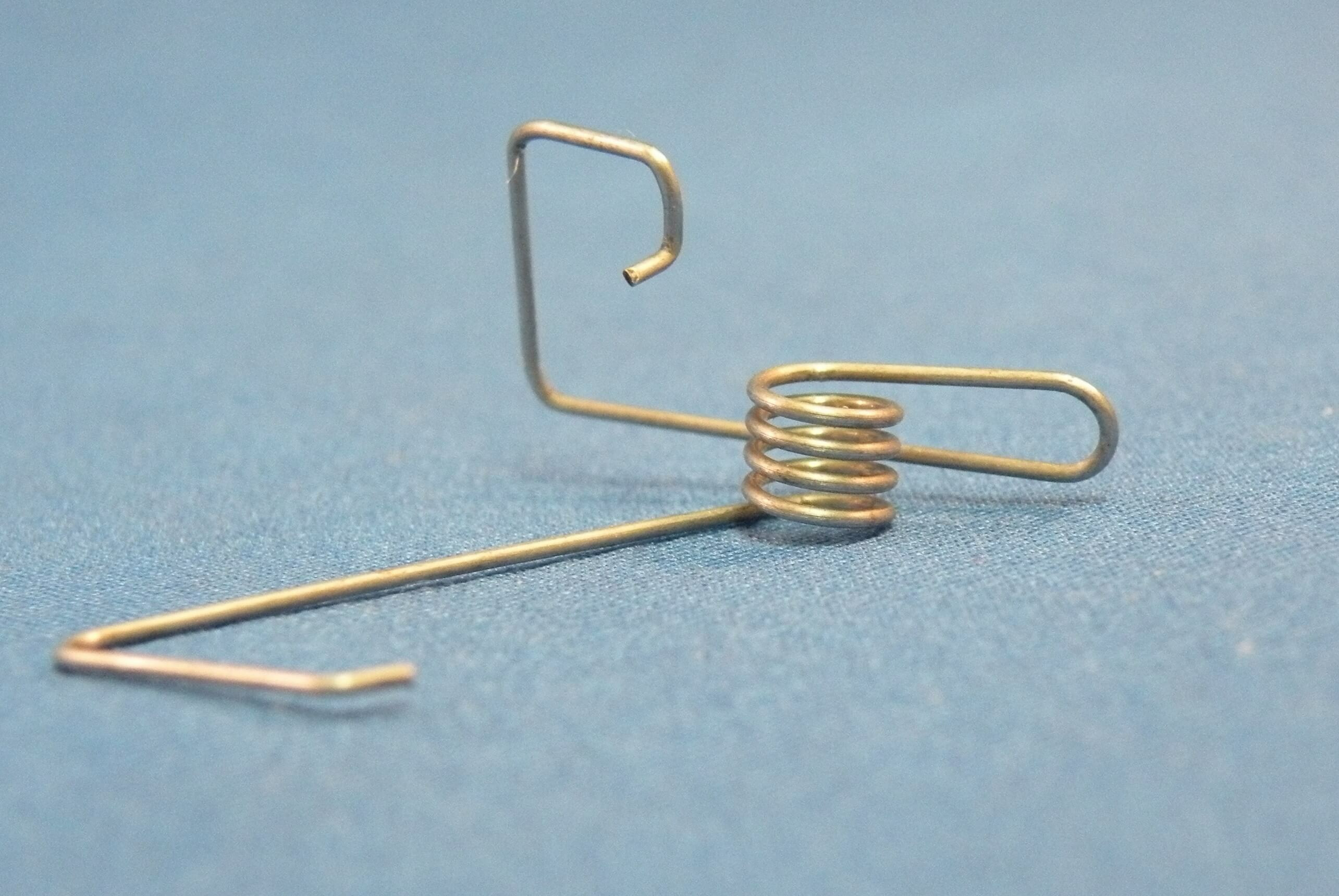
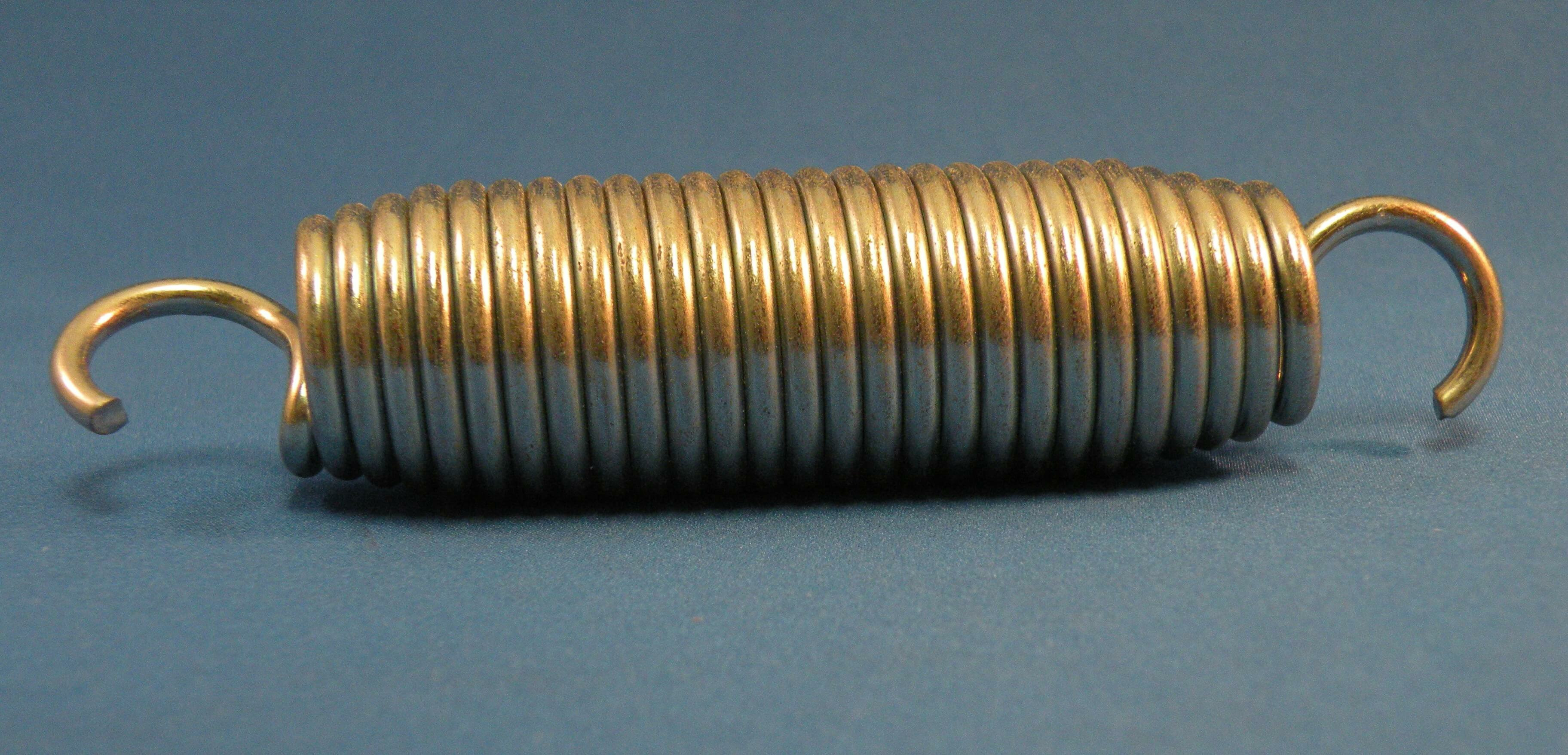
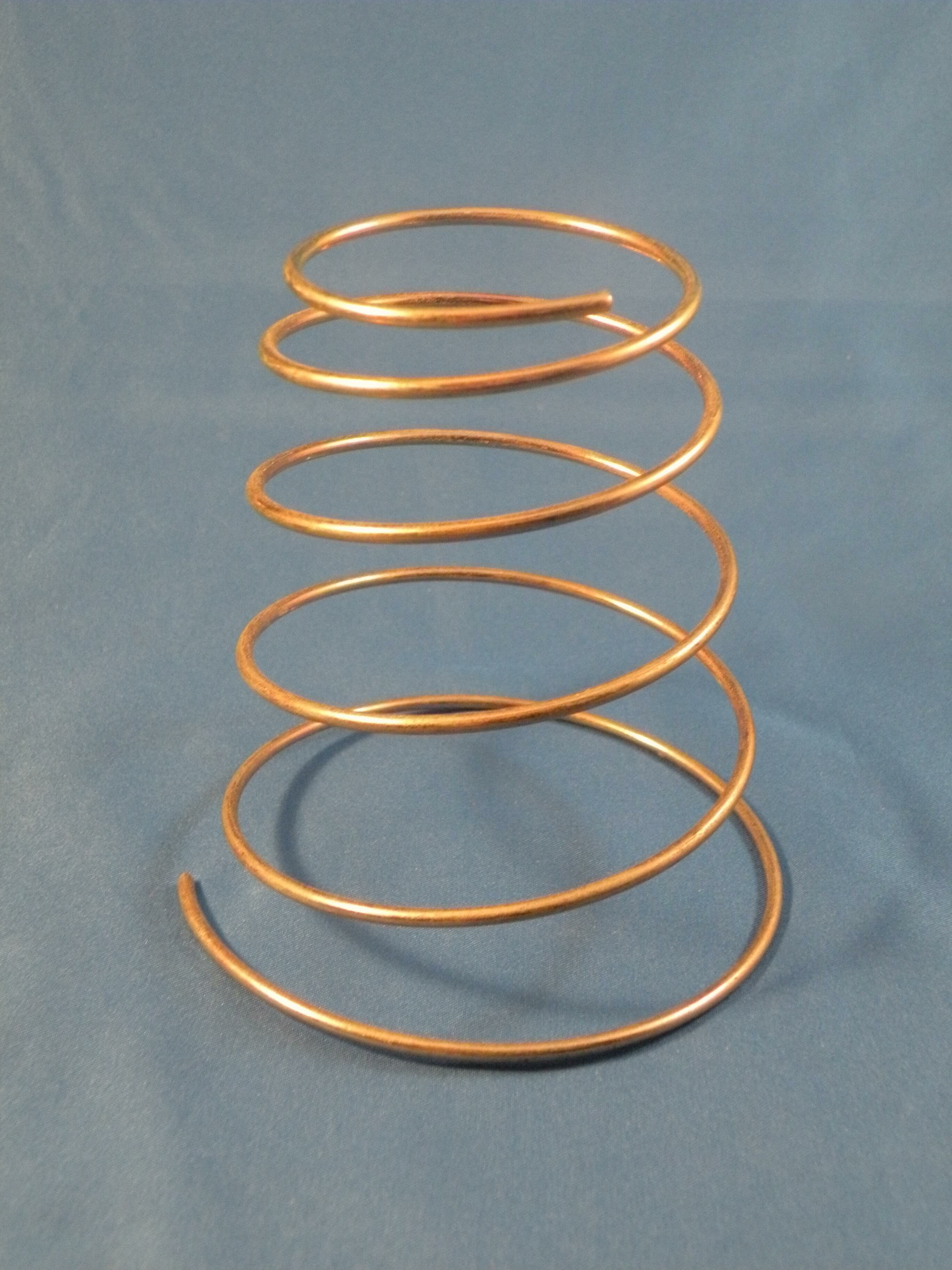
Spring Types We Produce for Appliance Programs
The spring type an appliance program requires depends on the mechanical function that spring performs within the assembly. Torsion, compression, and extension springs each have distinct load behavior, geometry requirements, and end configuration variables that define how the part is produced and how it must be qualified before volume production begins.
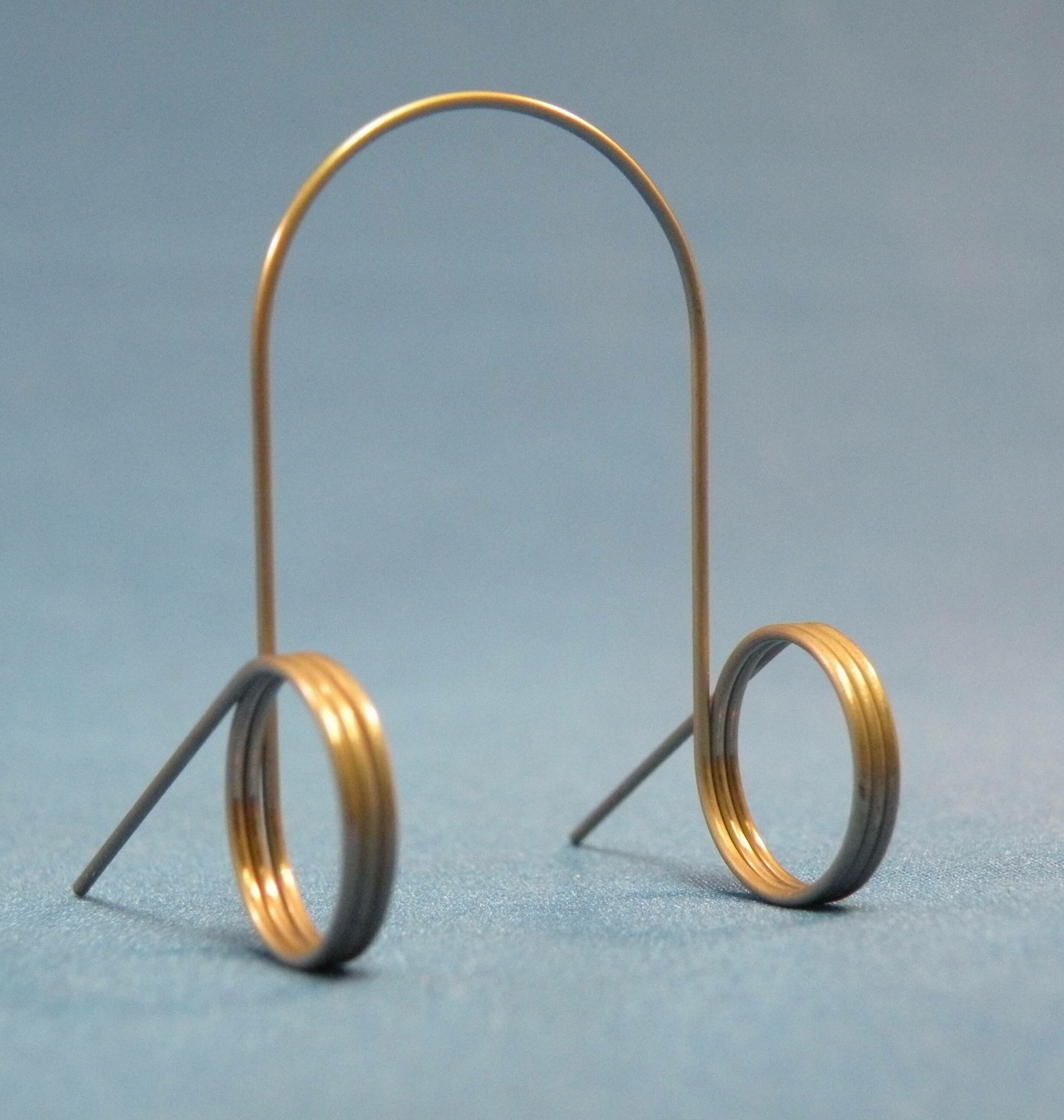
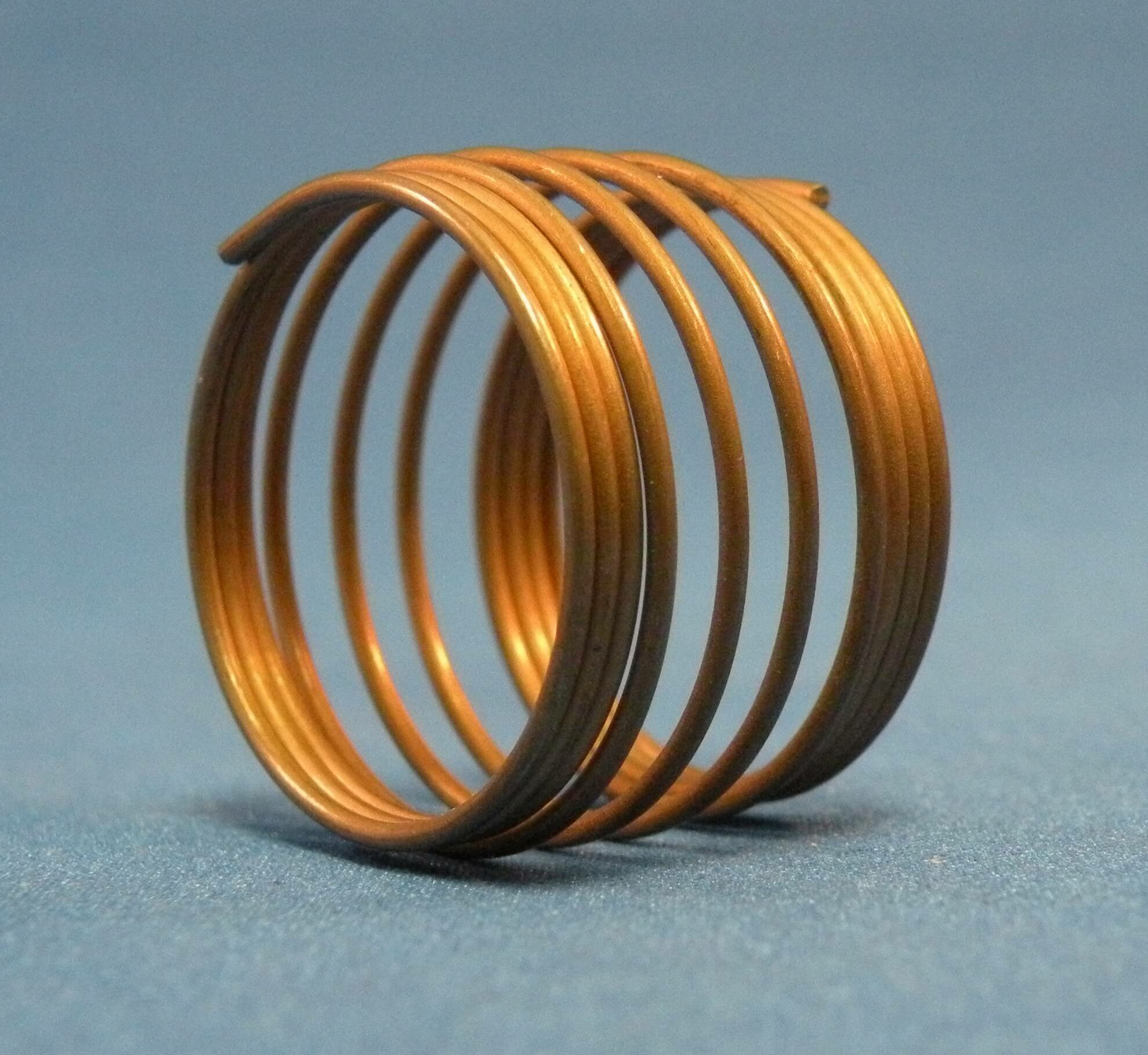
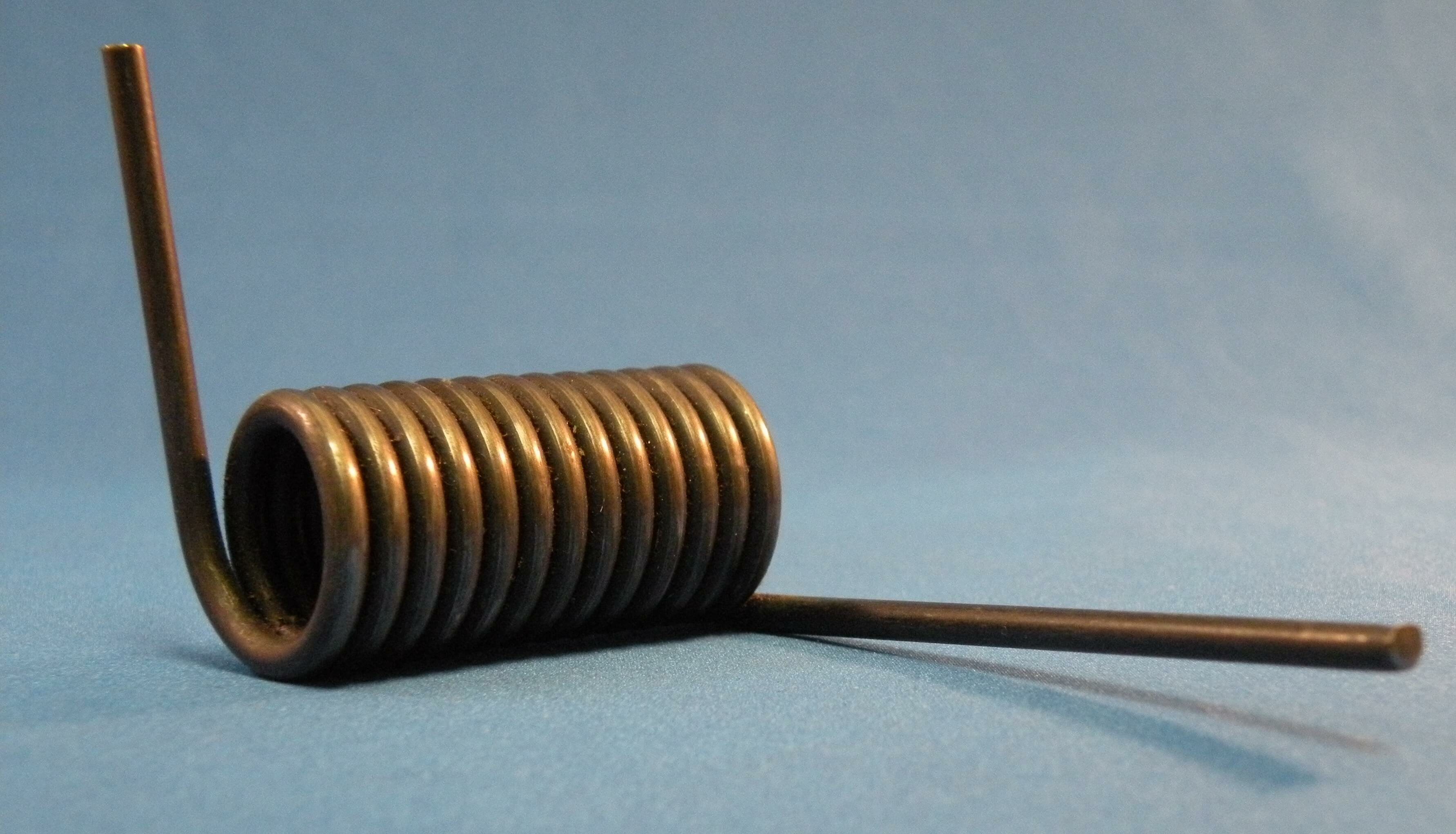
As an appliance torsion springs manufacturer, we specify leg geometry, coil direction, and spring rate to your load and angular travel requirements. Torsion springs generate rotational force around a central axis and appear in door hinge assemblies on ovens and dishwashers, in lid counterbalancing on top-load washing machines, and as counterbalance springs in latch return mechanisms across appliance product categories.
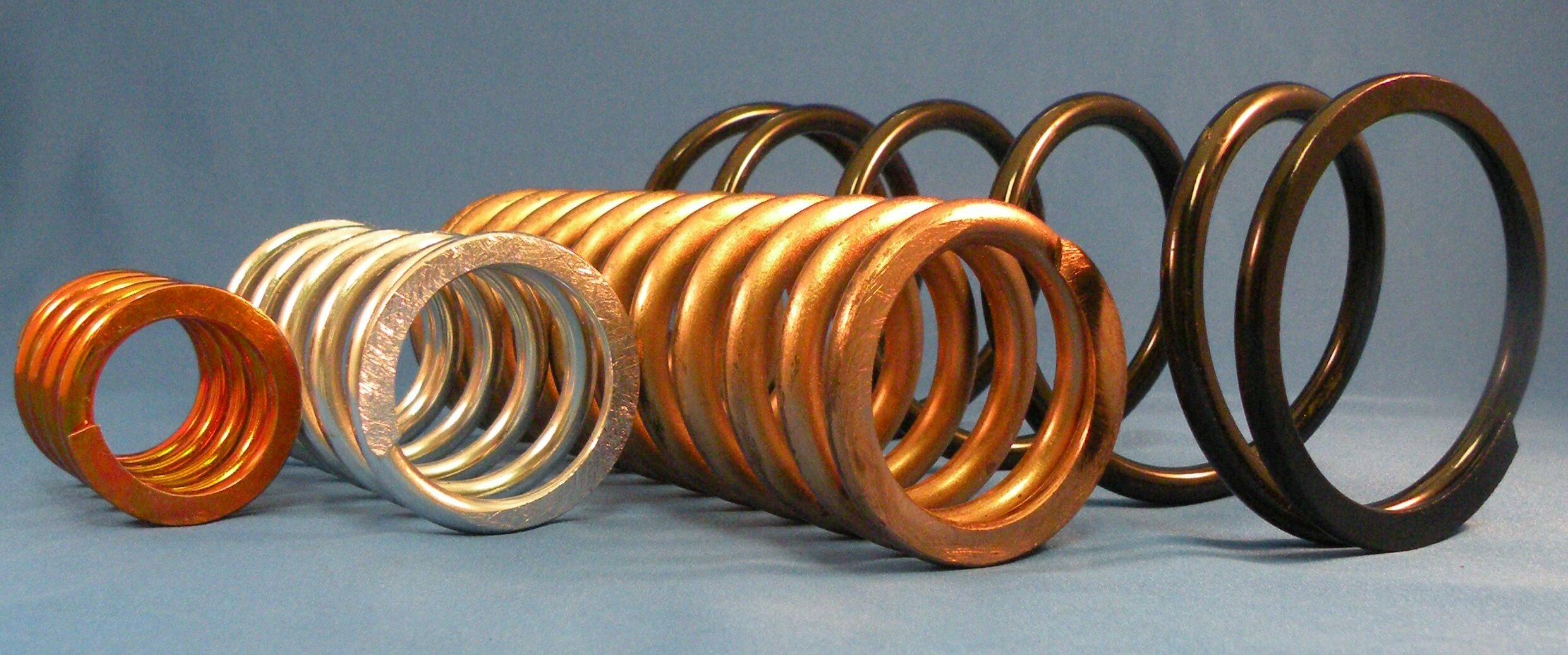
Appliance compression springs resist compressive loads and return to a defined free length when the load is removed. They are used in button and control interfaces, valve seat assemblies, doors, bases, and load-dampening positions within appliance structures. As an appliance compression springs manufacturer, we hold free length and spring rate consistency across production runs because variation in these dimensions directly affects downstream assembly yield.
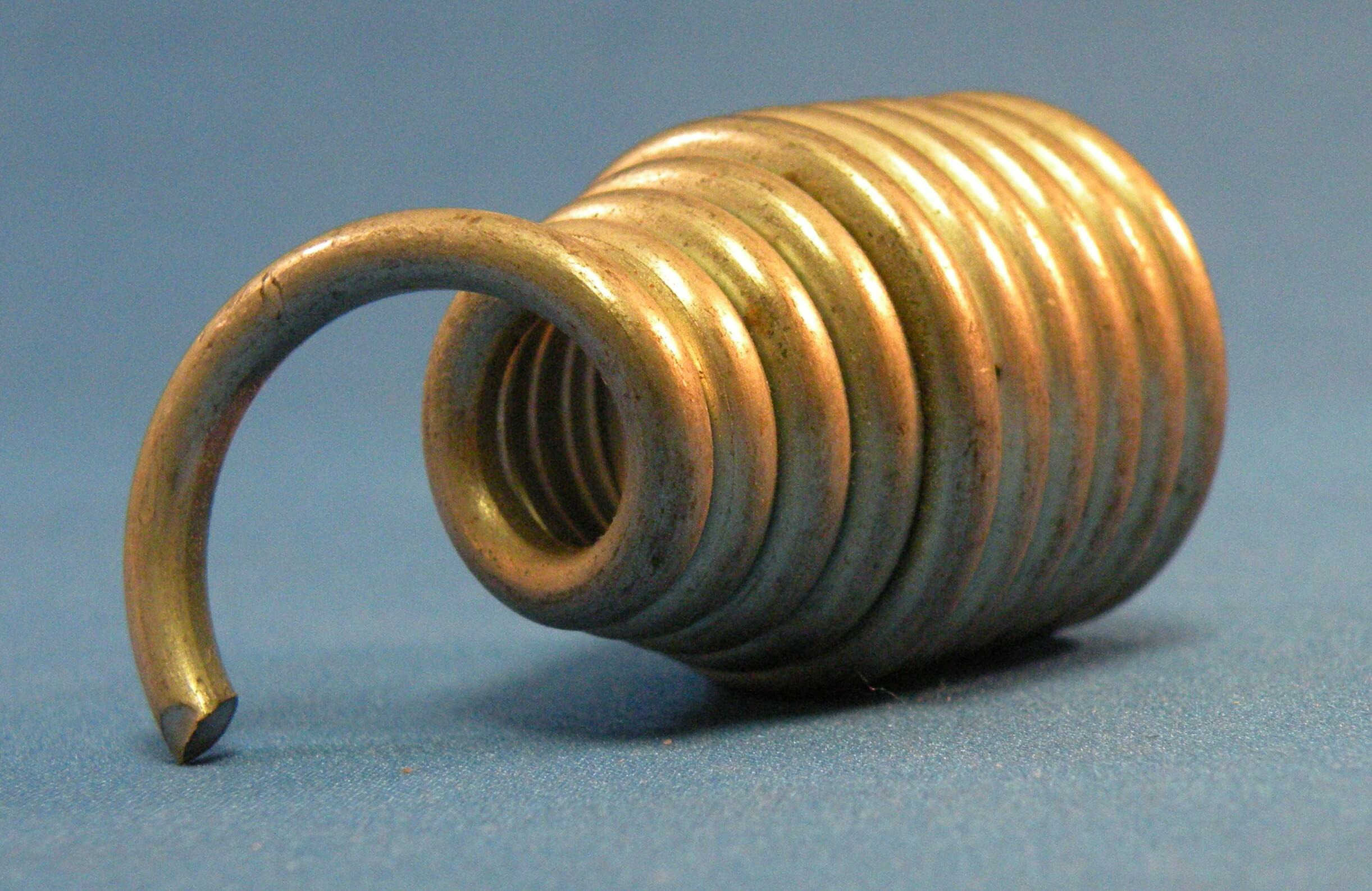
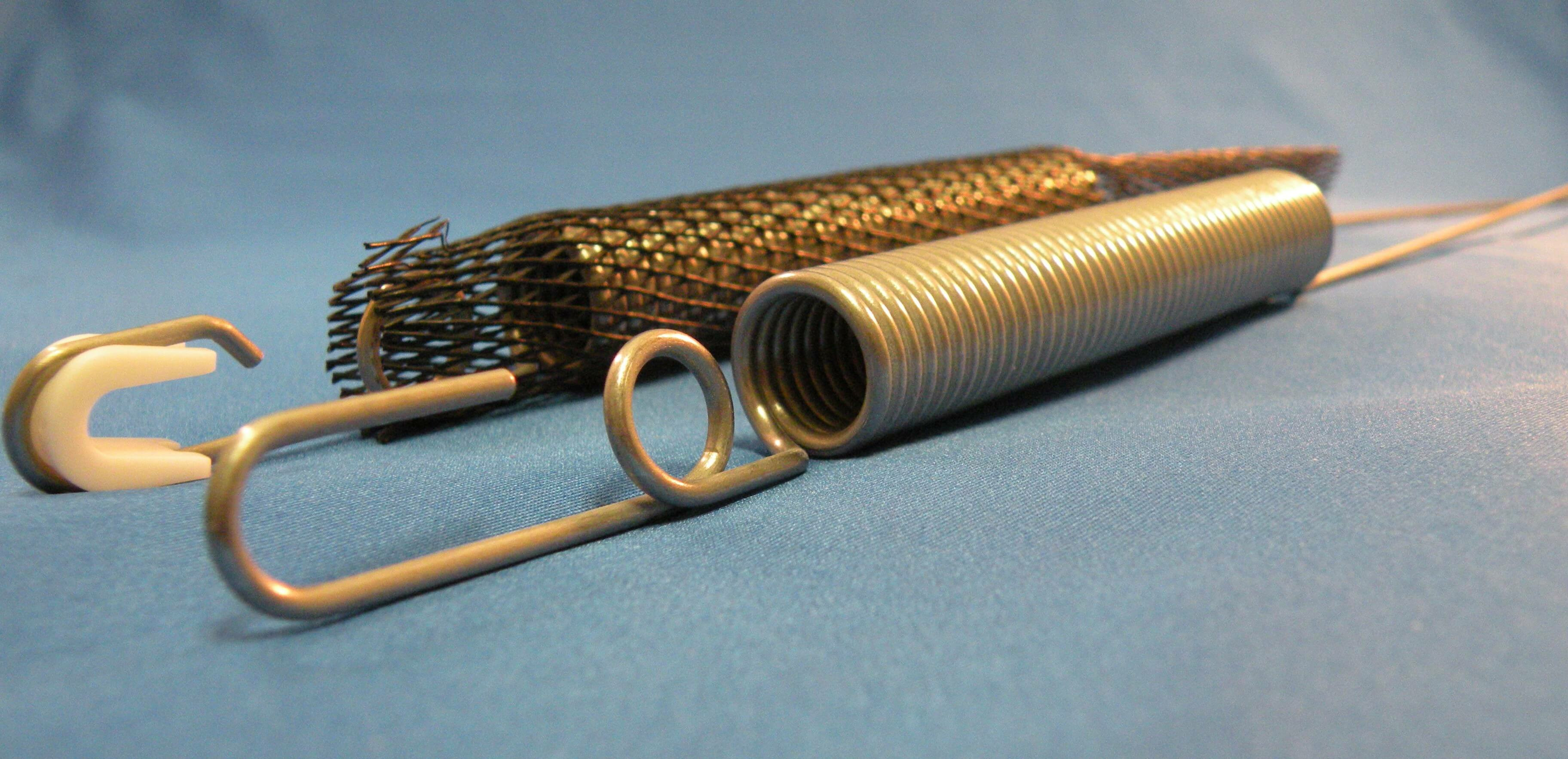
Appliance extension springs carry tensile loads and are used in counterbalance door systems, tension-loaded mounting configurations, and mechanism return assemblies. For OEM customers sourcing from an appliance extension springs manufacturer, end configuration is a critical decision made at tooling based on your assembly interface. Hook type, loop geometry, and initial tension are confirmed during tool development against your engineering specifications to ensure consistent tensile load performance at production volume.
How We Produce Appliance Springs
Running spring programs at OEM appliance volume requires consistent tooling performance, material selection matched to the operating environment, and inspection practices that catch variation before parts reach your assembly line. We manage all of these in-house, which gives your engineering and procurement teams direct access to the people making decisions on your program.
Tooling Built and Maintained In-House
We design and build spring tooling internally, which means development timelines are not subject to outside vendor scheduling. For appliance torsion springs and extension springs with specific leg configurations or end geometries, the ability to revise tooling quickly during development reduces the cost and schedule impact of late-stage design changes. Tooling records are retained for the life of the program to support reorders and specification modifications without rebuilding the process from the beginning.
Material Selection for Appliance Operating Conditions
Material is confirmed against the environment the spring will see throughout the product's service life before production begins. Springs in dishwasher door assemblies and washing machine mechanisms are exposed to moisture and detergent over time, making stainless steel a common selection for those programs. Springs in dryer door hinges and oven latch mechanisms are subject to elevated temperature cycling, which requires material with adequate thermal stability at the specified wire diameter and temper. We work with carbon steel, stainless steel, and music wire to ASTM A228, and material is selected against your operating conditions during program setup.
In-Process Inspection at Volume
Appliance programs run at volumes where spring variation has a measurable effect on assembly line yield. We inspect against the approved print throughout each production run, not only at first article. Free length, spring rate, coil count, and end configuration are verified at defined intervals during production. If your program requires first-article inspection documentation, in-process measurement records, or reporting at defined production milestones, we build that into the program setup before production begins.
What to Expect When Sourcing Appliance Springs From PSS Corp
We maintain production history on every spring program we run. Reorders and specification changes are managed against an existing process record rather than rebuilt from the beginning. For long-running appliance platforms where programs carry forward across product generations, that continuity has direct value for your engineering and procurement teams.
Our quality system is certified to IATF 16949:2016, and we support full PPAP documentation for programs that require it. Whether your team is evaluating us as a compression spring supplier, a torsion spring supplier, or as an OEM appliance springs manufacturer for a program covering multiple spring types, we can provide the documentation your quality team needs to complete the approval process.
We communicate with appliance engineering teams directly. Questions about spring rate tolerances, end configuration revisions, or material substitutions are handled at the engineering level, not through procurement handoffs. If your program includes stamped components alongside springs, we produce both. Sourcing from PSS Corp as a high volume spring manufacturer for both product types keeps your tooling records and production documentation in one place and reduces the number of suppliers your team manages.
Request a Quote for Appliance Springs
If you are sourcing torsion, compression, or extension springs for an appliance OEM program, contact us with your print and volume requirements. We will provide a quote covering tooling, piece pricing, and lead time.
Need a custom solution?
If you are looking for cost reduction through design innovation, challenge us!
Frequently Asked Questions
Spring rate tolerance depends on wire diameter, coil count, and material. For carbon steel and stainless steel compression springs produced at OEM volume, tolerances of plus or minus 10 percent on spring rate are standard in most programs. Tighter tolerances are achievable depending on wire diameter and geometry, and should be confirmed during program development before tooling is committed. Your engineering team should identify the tolerance band the assembly requires before spring specifications are finalized.
Yes. Appliance door hinge configurations sometimes require paired torsion springs wound in opposite directions to achieve balanced load distribution across both sides of the door. We confirm wind direction, leg orientation, leg length, and coil count for each spring in a matched set during tool development and can produce both configurations within a single program.
Extension springs for appliance programs can be produced with machine hooks, crossover center hooks, side hooks, and extended twisted loops, depending on how the spring interfaces with the surrounding assembly. End type is confirmed during tool development based on your assembly geometry and the load the end must carry. If your design is still in development, we can advise on end configurations that are compatible with your forming requirements and the space envelope available in the assembly.
Springs in appliance door assemblies, including oven door hinges, dishwasher door counterbalance systems, and washing machine lid mechanisms, are specified to a defined cycle life target that reflects expected product use over the rated service life. The applicable product standard for the appliance category typically defines the test method and required cycle count. For household ranges covered by UL 858 and dishwashers covered by UL 749, mechanical durability provisions address door system performance requirements. Your compliance team should confirm the cycle life requirement for your program before spring geometry and material are finalized, since those decisions directly affect fatigue performance.
Capability is determined by wire diameter, coil geometry, and the forming process the part requires. We produce springs from wire size .003” - .350” range and can confirm during quoting whether a specific geometry falls within our forming capability. If your part has wire diameter or geometry requirements at the edge of standard forming ranges, submitting the print early gives us time to assess it before program commitments are made.
Yes. We manufacture custom torsion springs, custom compression springs, and custom extension springs alongside stamped parts for appliance OEM programs. If your program requires spring-formed parts and stampings from the same supplier, sourcing both from PSS Corp consolidates your vendor list and keeps tooling records, PPAP documentation, and production history under one quality system. Our team manages both product types together, which simplifies communication when design changes affect multiple component types within the same assembly.
Explore Other Appliance Components
Looking for a different stamped or spring-formed appliance component? We produce a full range of custom metal stamped parts and springs for appliance manufacturers running high-volume programs.
Appliance Brackets & Panel Hardware
Appliance Airflow & Duct Stampings
Appliance Electrical Components & Ground Clips
Don't see what you need? Contact us and we can discuss whether your part is something we can produce. If it can be stamped, formed, or sprung, there is a good chance we have run something similar before.
Explore Other Industries We Serve
From automotive to construction, Medical to HVAC, and more
Perfection Spring & Stamping Corp. is a manufacturer of custom metal components, serving a wide variety of industries. Ranging from "Global Fortune 1000" companies to the individual with a patent on a single-part, we serve a diverse portfolio of customers, markets & industries around the globe.