
Automotive Electrical Stampings & Ground Components Manufacturer
Perfection Spring & Stamping Corp. produces automotive electrical stampings and ground components for Tier 1 suppliers and OEM programs across a broad range of vehicle platforms. Our stamped parts in this category include automotive grounding clips, vehicle-level electrical contacts, bus bar stampings, terminals, plates, covers, shields, and other formed metal components that carry current or maintain a ground path within the vehicle electrical system. We produce in copper, brass, steel, stainless steel, and aluminum, selecting material based on the conductivity, corrosion resistance, and structural requirements of each individual part. Production volumes run from 100,000 parts to programs exceeding 3 million pieces per year.
We hold IATF 16949:2016 certification and operate ISO 16232 cleanliness capabilities in-house. For electrical and grounding programs that carry cleanliness specifications alongside their dimensional requirements, that capability is built directly into our production sequence.
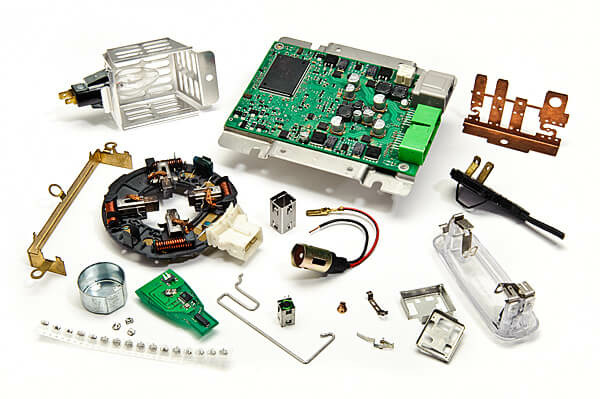
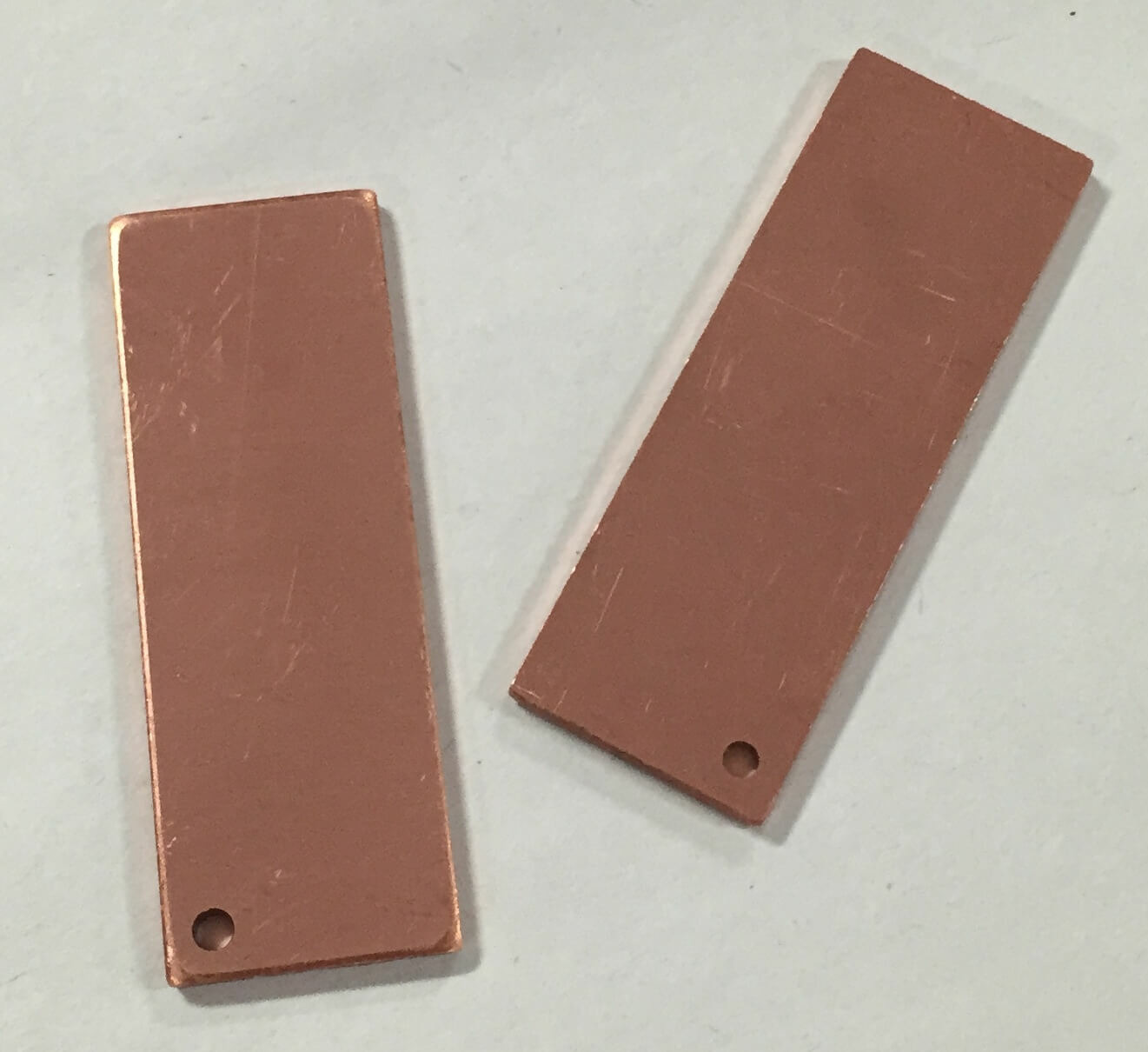
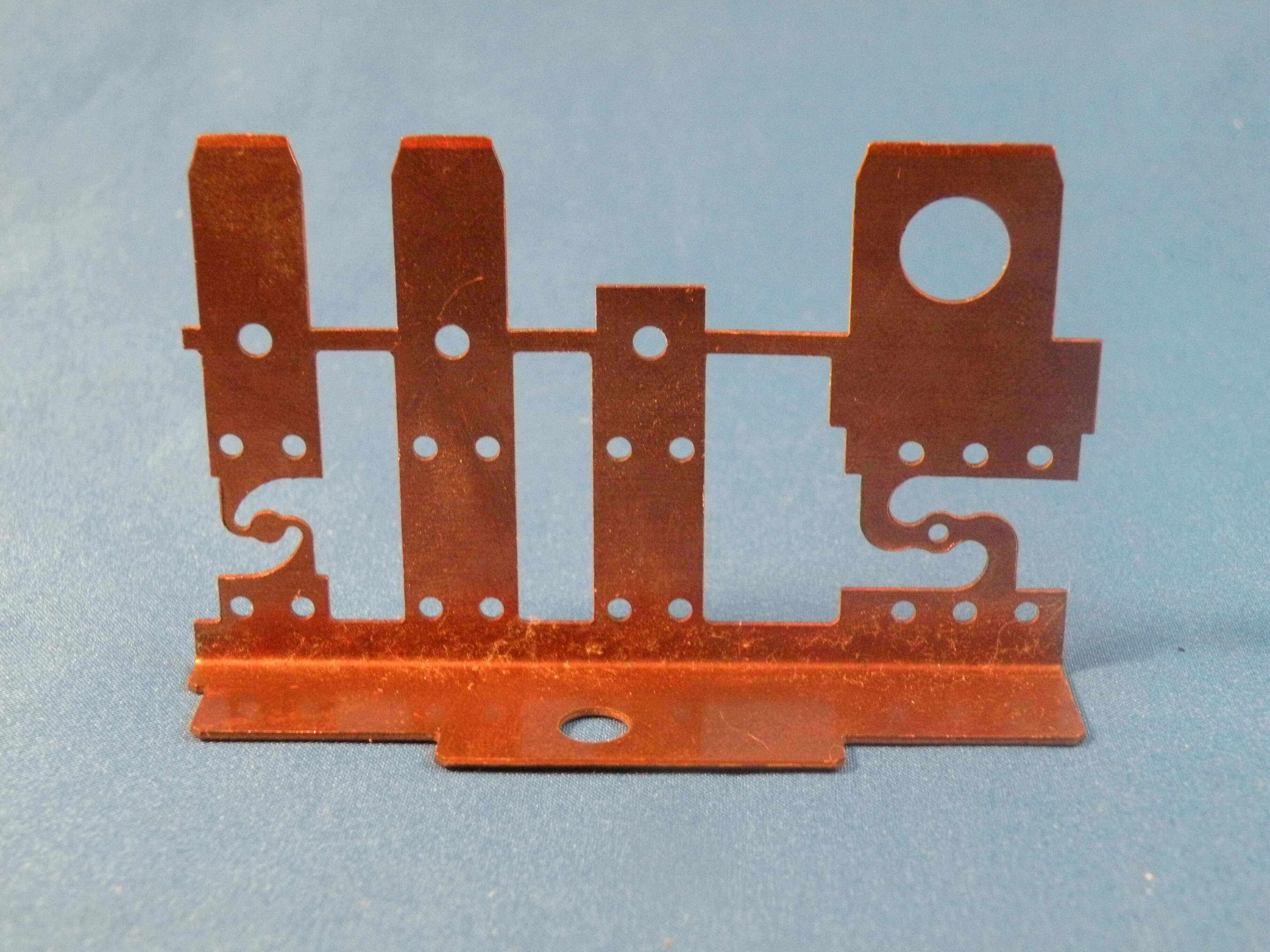
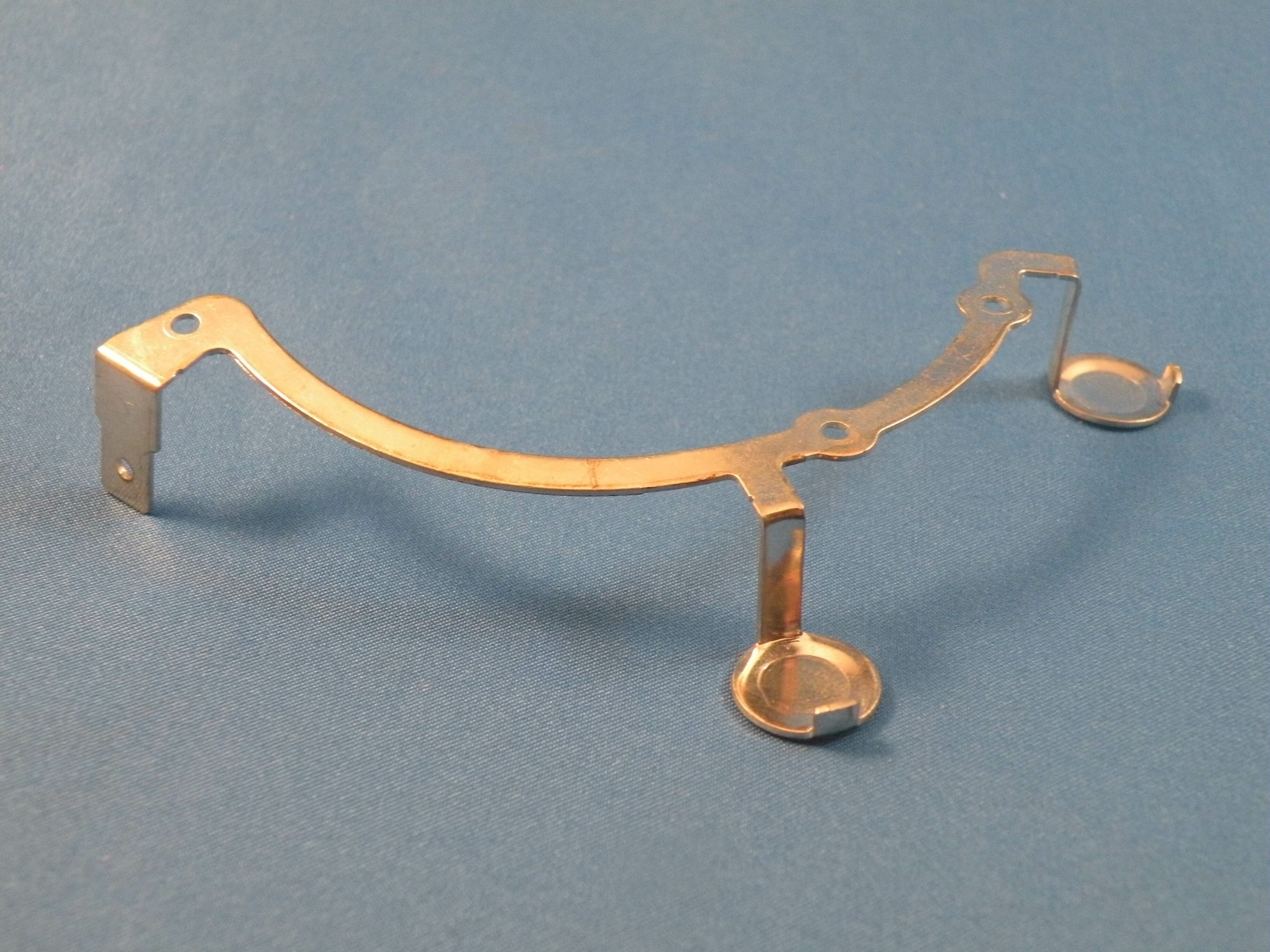
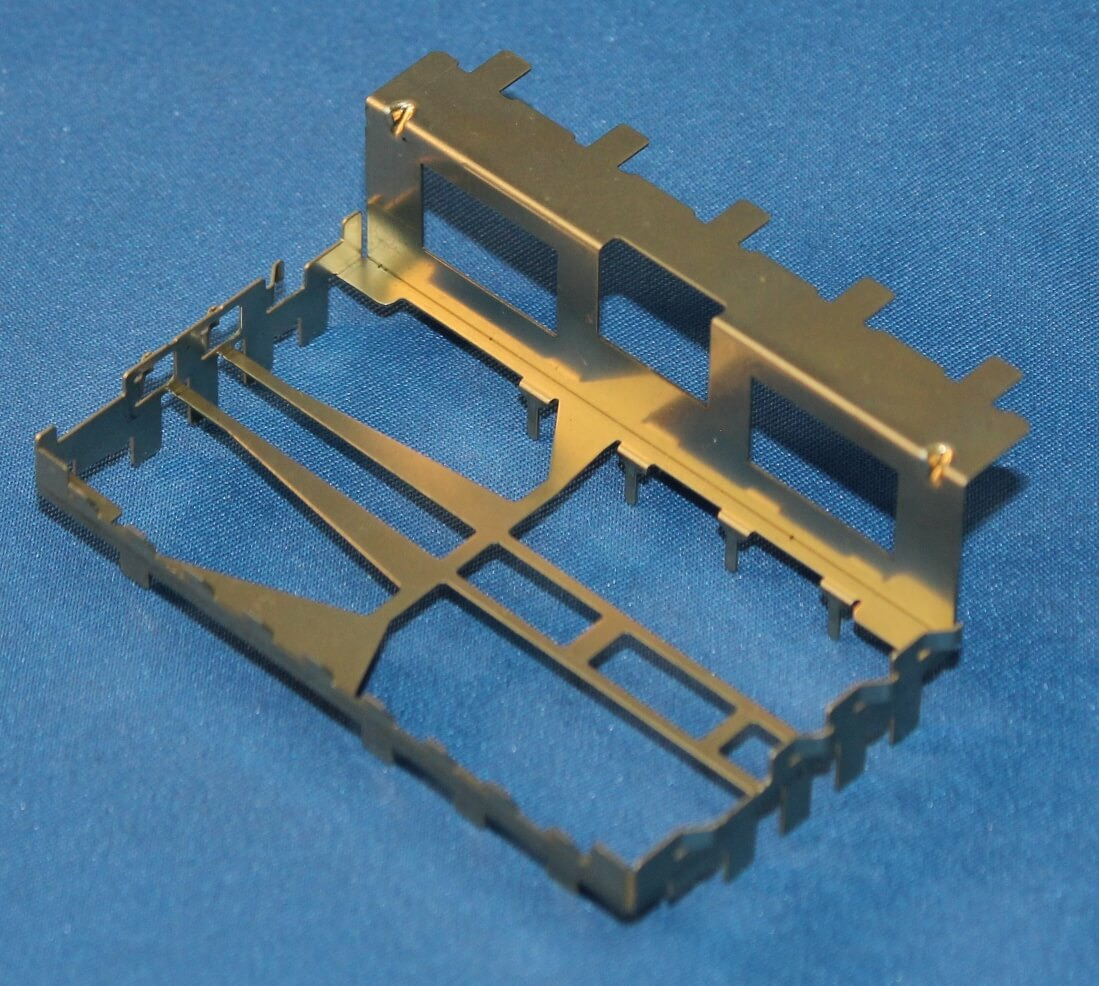
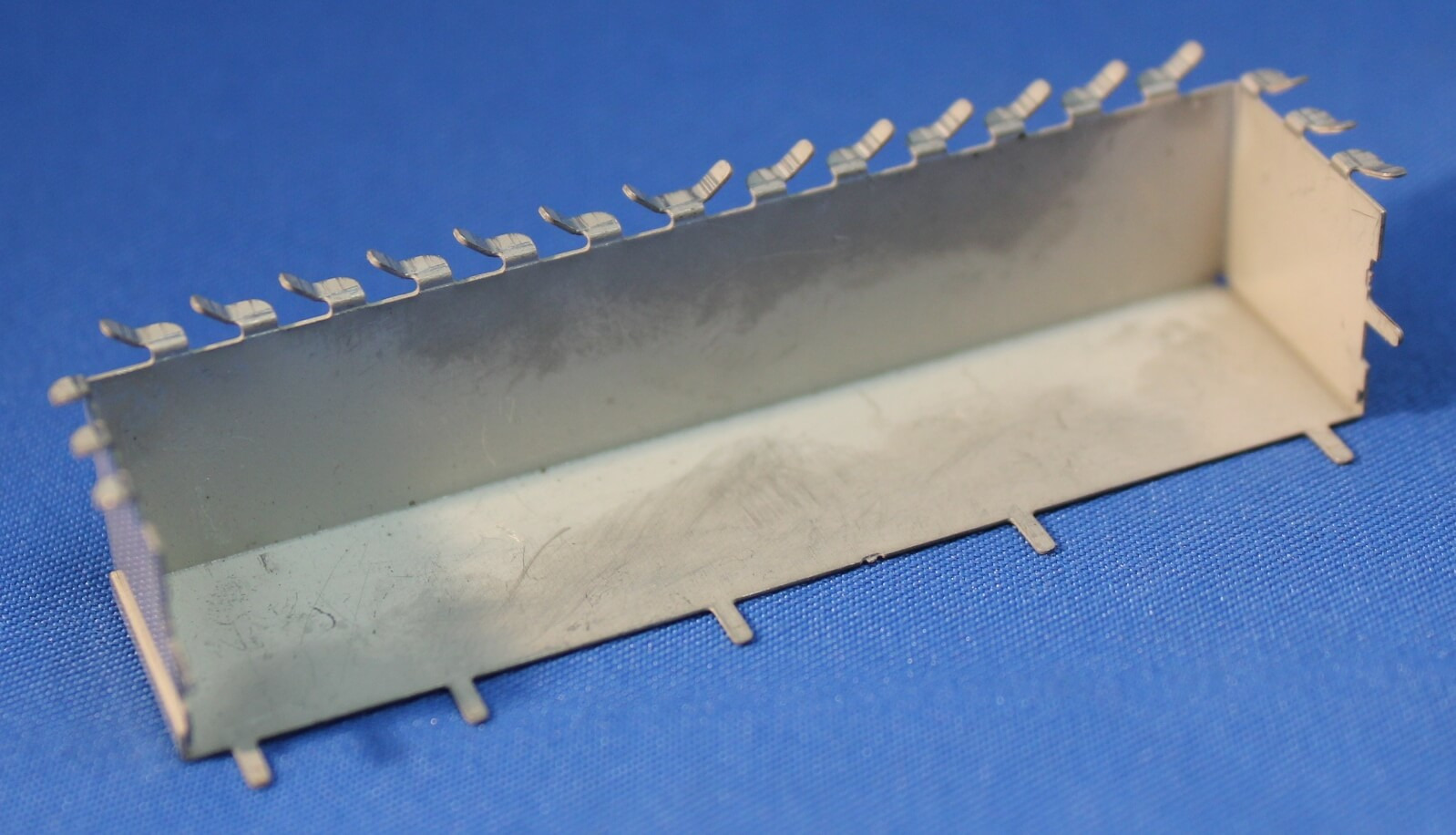
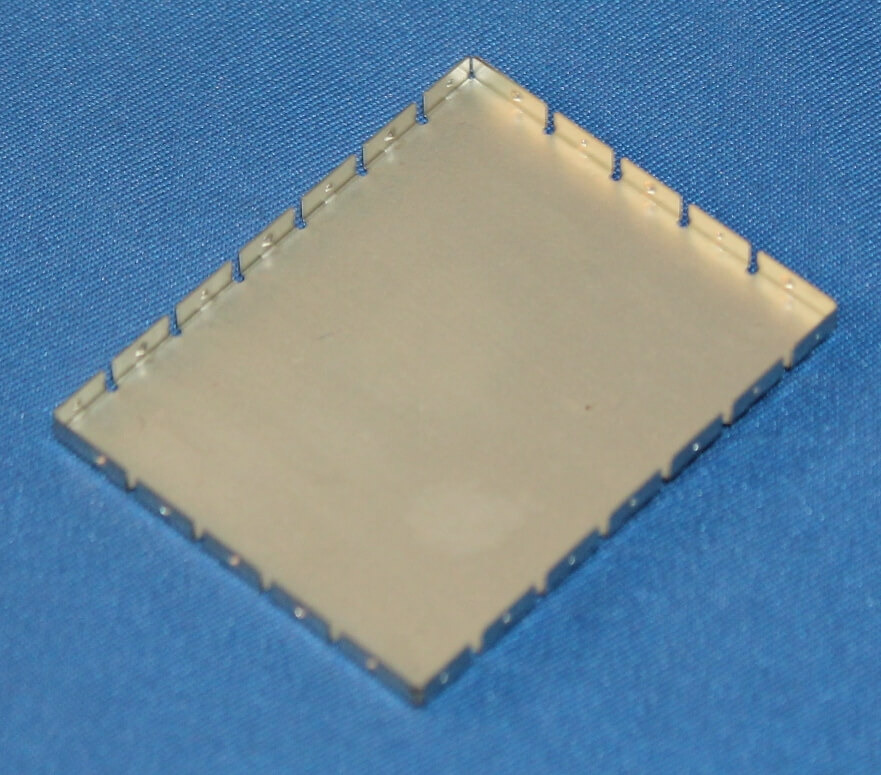
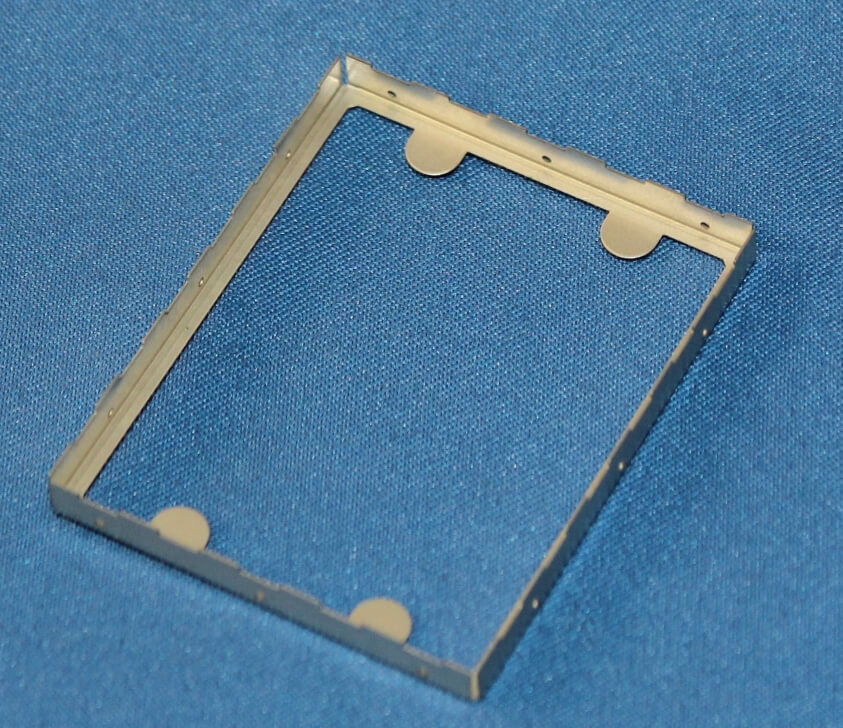
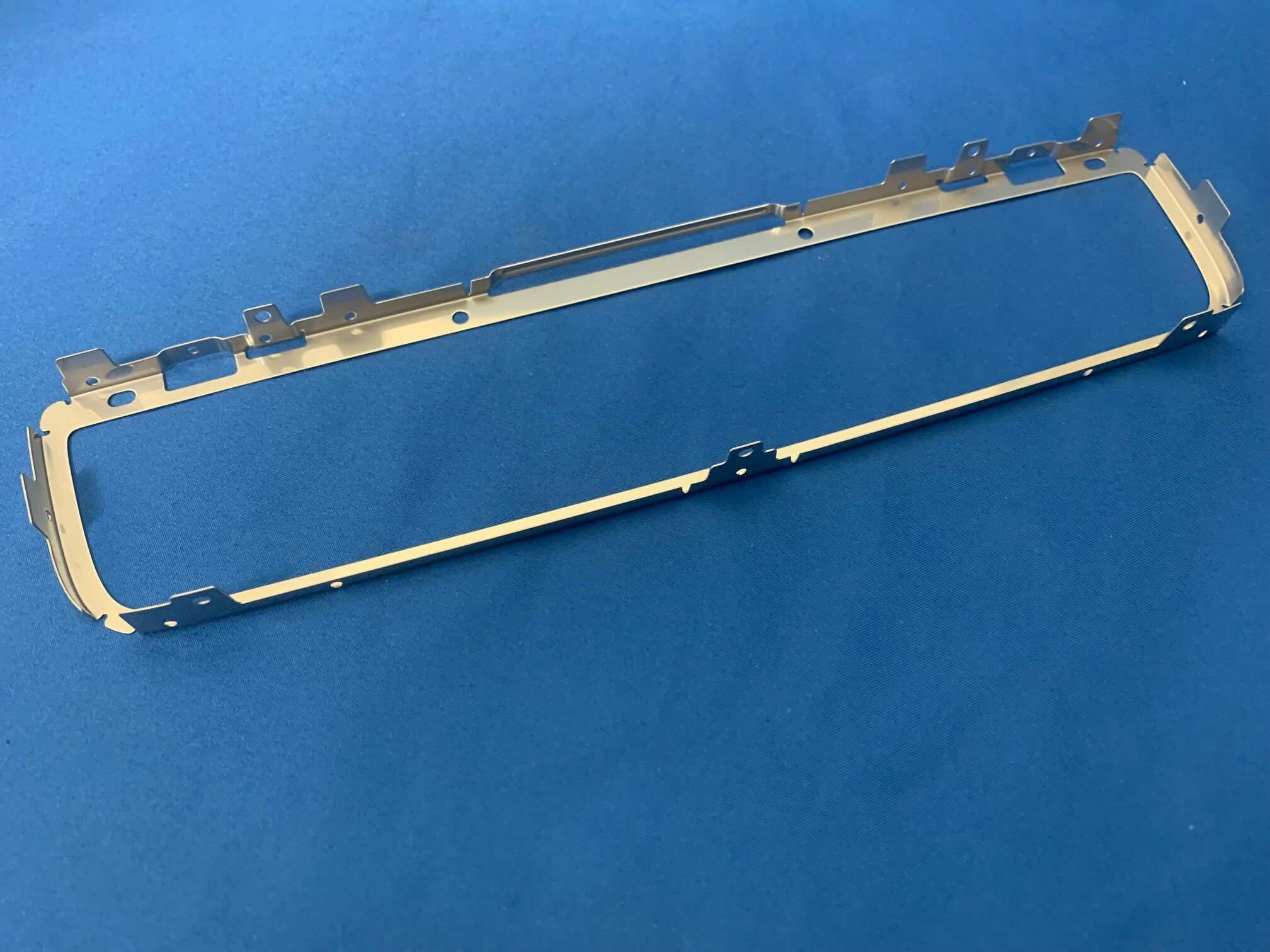
Why Electrical and Grounding Stampings Carry a Different Set of Requirements
Automotive ground components and electrical stampings are held to standards that do not apply to structural stampings, because their function depends on consistent metal-to-metal contact performance across the full-service life of the vehicle. A grounding clip that loses contact force due to spring-back variation stops providing a reliable ground path without any external indication of failure. An electrical contact with an uncontrolled edge condition can introduce a resistance point or arcing risk that degrades under the thermal cycling and vibration conditions of an automotive assembly.
The geometry of automotive grounding clips also creates forming challenges specific to this part family. Many ground components combine a spring feature with a clip or fastening feature in a single stamped form, which means tooling and process controls have to simultaneously manage material thickness, edge condition, and formed geometry to meet the contact force specification the vehicle system requires. Designing that control into the tooling from the start is how we avoid variation that shows up later in functional testing or in the field.
Process Capabilities for Automotive Grounding Clips and Electrical Stampings
Producing automotive electrical stampings and automotive ground components to OEM standards requires targeted process investments across tooling, material sourcing, and cleanliness. Each of those areas carries requirements that go beyond what a general stamping operation provides. The capabilities described below are built into our standard production process for this part family.
Progressive Die Stamping for Ground Clip and Contact Geometry
Progressive die stamping is the primary process we use for automotive grounding clips, terminals, shields, and covers that combine spring geometry with a clip or attachment feature. The progressive die sequence allows us to form, blank, and coin features in a controlled order that maintains material integrity through each stage of the operation. For grounding clips with contact force specifications, we set die clearances and coining operations specifically to minimize spring-back variation across the production run. Where a part geometry calls for four-slide forming instead, we have that process available as well and select based on what the part geometry actually requires
Material Sourcing Across Copper, Brass, and Steel Alloys
Automotive electrical stampings and ground components draw from a wider material set than most stamped part families. Copper and brass are the correct choice when electrical conductivity drives the specification. Steel and stainless steel are the correct choice when clip retention force, structural integration, or corrosion exposure in an underbody or under-hood environment is the controlling requirement. We stock and run all of these materials and select the appropriate alloy and temper based on the part's functional requirements. If your program has a plating specification such as tin or zinc-nickel on a steel ground clip, we coordinate that surface treatment through our qualified supplier network as part of the overall program rather than treating it as a separate sourcing activity.
ISO 16232 Cleanliness for Electrical and Fuel System Components
Cleanliness requirements appear on automotive electrical stamping programs more frequently than purchasing teams typically expect when they first engage a supplier. Particle contamination in a ground connection or electrical contact can increase contact resistance, produce intermittent electrical faults, or generate a field failure that is difficult to trace to its source. For programs involving electrical connections within or adjacent to fuel delivery systems, cleanliness specifications drawn from ISO 16232 are particularly common because contamination risk extends to both the electrical connection and the fuel system itself.
We operate custom-built in-house wash equipment capable of cleaning automotive grounding components and electrical stampings to ISO 16232:2018 standards. Washing is incorporated directly into our production sequence as a controlled manufacturing step, and if your program carries a cleanliness class specification, we can provide the documentation your PPAP process requires.
IATF 16949 Compliance and Program Support for Tier 1 and OEM Sourcing
Every automotive electrical stamping and ground component program we run operates under our IATF 16949:2016 quality management system, which covers tooling qualification, production process controls, measurement and inspection methods, and supplier management practices. For programs that require a PPAP submission, our engineering and quality teams manage the full submission including dimensional reports, material certifications, process capability studies, and cleanliness documentation where the program specification calls for it.
Our existing customer base includes Tier 1 program teams and OEM sourcing organizations supporting production at Mercedes-Benz, Toyota, Honda, Subaru, General Motors, Ford, FCA, and Volkswagen. The documentation requirements, timing expectations, and approval processes that come with those programs are known to our team. These electrical and grounding programs are one part of a broader portfolio of automotive stamping capabilities we maintain across progressive stampings, springs, wire-forms, and mechanical assemblies. You can review our full automotive capabilities at our automotive stamping and springs page.
We also maintain a structured tooling transfer process for programs moving from another supplier, which includes incoming inspection, trial runs, first-article validation, and production release before the program transitions to our facility. When your program has a launch date that cannot move, our project management process tracks against that timeline from tooling approval through production release.
Contact Perfection Spring & Stamping to Discuss Your Electrical Stamping Program
If you are sourcing automotive electrical stampings, grounding clips, or other ground components for a Tier 1, Tier 2, or OEM program, contact our team to discuss your part requirements, volume, material, and cleanliness specifications. We can respond to an RFQ and walk through tooling, process capability, and production readiness in detail.
Need a custom solution?
If you are looking for cost reduction through design innovation, challenge us!
Frequently Asked Questions
Contact force on a grounding clip is typically expressed as a minimum retention force in Newtons, with an acceptable range set by the vehicle program's electrical system design. The primary process variables that affect contact force are material temper, die clearance, and coining depth. We control each of these at the tooling design stage and validate contact force during first-article inspection and at defined intervals during production. The specific tolerance we can hold depends on the part geometry and material, which is why we review contact force requirements as part of our engineering discussion at the start of every new grounding clip program.
A stamped grounding clip is a formed metal component that mechanically attaches to a chassis member, body panel, or bracket to establish a ground path without requiring a welded connection. A welded ground strap is a flexible braided or solid conductor attached at both ends by welding or mechanical fastening. Stamped grounding clips are typically used where a ground point needs to be integrated into a fastened assembly at volume, while ground straps are used where flexibility or a longer conductor path is required. PSS produces the stamped grounding clip side of that equation, including the clip geometry, material, and contact surface condition that the ground specification requires.
EV and hybrid platforms place different demands on ground components because of higher current loads, higher voltage architecture, and additional EMI management requirements that conventional ICE systems do not carry to the same degree. The material cross-section and geometry of a stamped ground clip need to be sized to the current load that particular ground path carries in the vehicle system. If your program is on an EV, plug-in hybrid, or 48-volt mild hybrid platform, those specifics are part of our initial engineering review for the program, not assumptions we carry over from conventional automotive programs.
Tooling for automotive ground component programs is typically customer-owned and maintained under a formal tooling agreement. We maintain, repair, and modify customer-owned tooling as part of the ongoing production program, and all tooling records are kept within our IATF 16949 quality management system. For programs with multi-year production lifecycles, we track tooling wear, document repair history, and flag potential tooling concerns before they affect production quality rather than after a quality issue has already surfaced.
Yes. ISO 16232 cleanliness requirements are not limited to the mechanical fuel system side. Electrical connectors, terminals, and ground components integrated into fuel system assemblies frequently carry cleanliness specifications because contamination that enters through an electrical connection point can affect both the electrical performance and the fuel system itself. Our ISO 16232 cleanliness capability applies to any program that requires it, including electrical and grounding components associated with fuel delivery or fuel management circuits. If your program specifies a cleanliness class, we can support qualification and provide the verification documentation your program requires.
Explore Other Automotive Products
Looking for a different stamped automotive component? We produce a full range of custom metal stamped parts for Tier 1 suppliers and OEM programs.
If you are sourcing spring finger contacts or grounding components for an automotive electronic control assembly, see our Automotive Electronics page.
Automotive Clips, Retainers & Fasteners
Automotive Brackets & Mounting Hardware
Don't see what you need? Contact us and we can discuss whether your part is something we can produce. If it can be stamped, formed, or sprung, there is a good chance we have run something similar before.