
Automotive Clips Manufacturer for Retainer, Spring Clip, and Fastener Programs
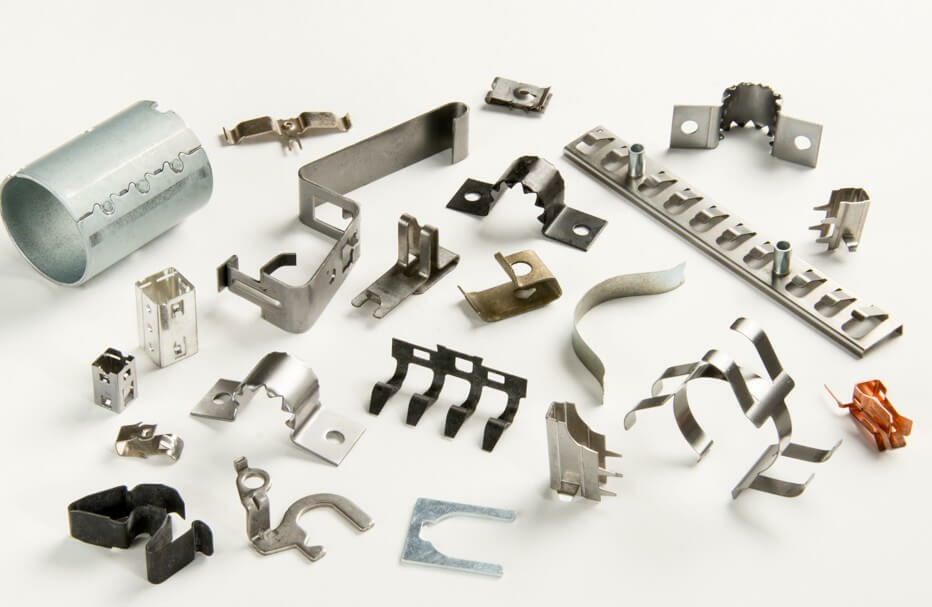
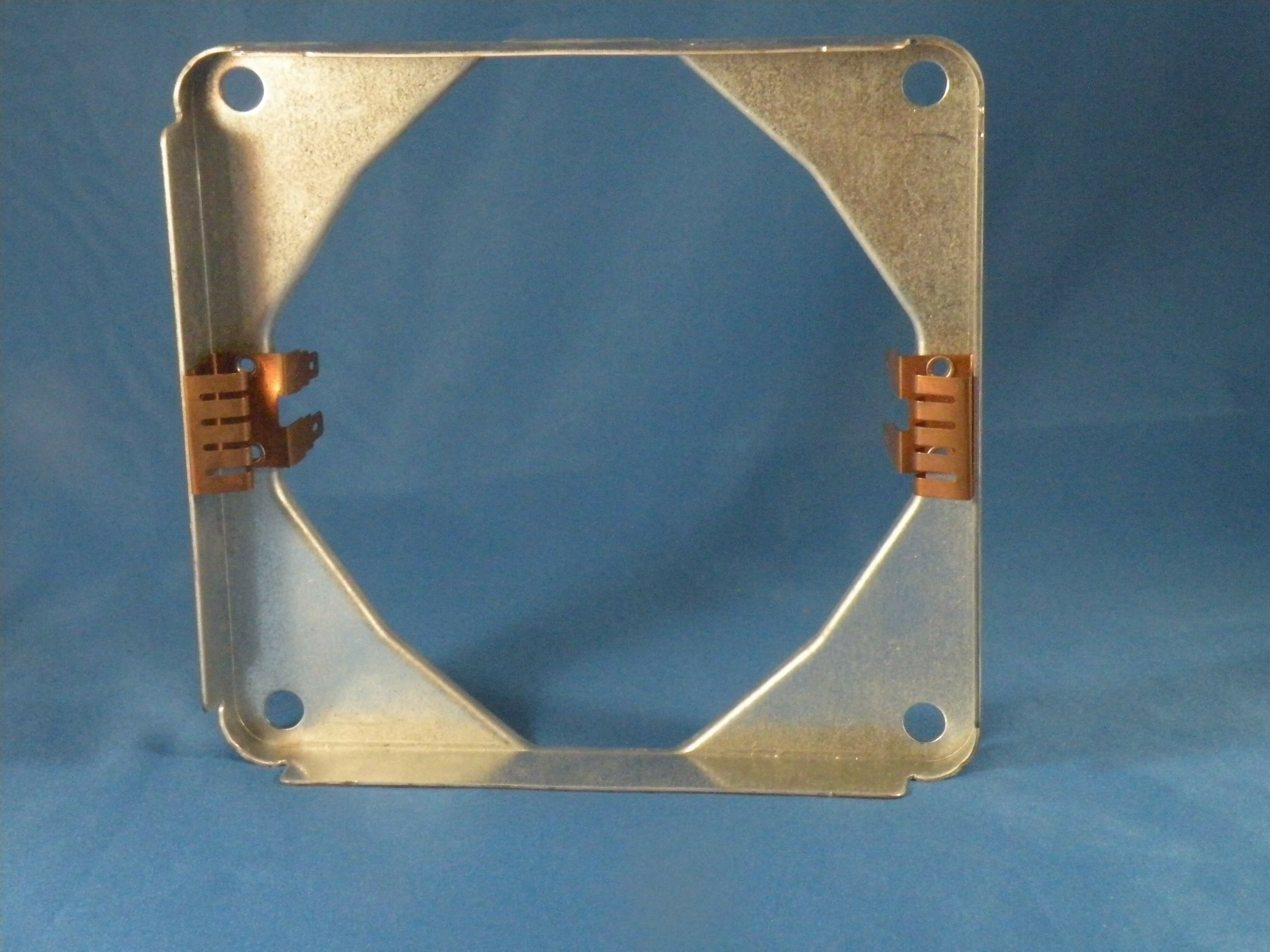
Perfection Spring & Stamping Corp. manufactures metal automotive clips, retainer clips, and stamped fasteners for Tier 1 suppliers and OEM programs across a wide range of vehicle platforms and assembly types. Our clips and retainers are used in body and trim retention, powertrain component attachment, wire harness management, underbody assemblies, and other applications where a formed metal clip has to hold a connection reliably across the vehicle's service life. We produce in steel, stainless steel, aluminum, copper, and brass, selecting material based on the retention force, corrosion resistance, and geometry requirements of each part. Production volumes run from 100,000 parts to programs exceeding 3 million pieces per year.
We hold IATF 16949:2016 certification and build tooling in-house for both our progressive die and four-slide stamping operations. For retainer clip programs where part-to-part consistency directly affects assembly line performance, that tooling control matters from the first production run through the life of the program.
What Makes Metal Automotive Clips a Distinct Sourcing Category
Sourcing metal automotive clips and retainer clips is different from sourcing structural stampings or brackets because the function of a clip depends almost entirely on the precision of its formed geometry. A stamped bracket holds a load. A retainer clip has to develop and maintain a specific retention force at the snap or engagement feature, release predictably when the assembly process requires it, and return to its formed position without taking a set over thousands of assembly cycles. That combination of requirements makes spring-back control the central challenge of this part family, and it is a challenge that has to be solved at the tooling and process level rather than sorted out during production.
Clip geometry also tends to involve compound bends, tight radii, and engagement features that are sensitive to small variations in material thickness or temper. When you are running a retainer clip at volumes of hundreds of thousands to millions of pieces per year, any process variation that affects the engagement geometry shows up as an assembly issue at the OEM or Tier 1 plant. Preventing that starts with how the tooling is designed, not with end-of-line sorting.
How We Produce Automotive Retainer Clips and Metal Fasteners
Our process for automotive clips and retainer programs draws on two primary forming methods, selected based on what the part geometry actually requires. Both are supported by in-house tooling, documented process controls, and IATF 16949 quality management across the full production run.
Four-slide Forming for Complex Clip Geometry
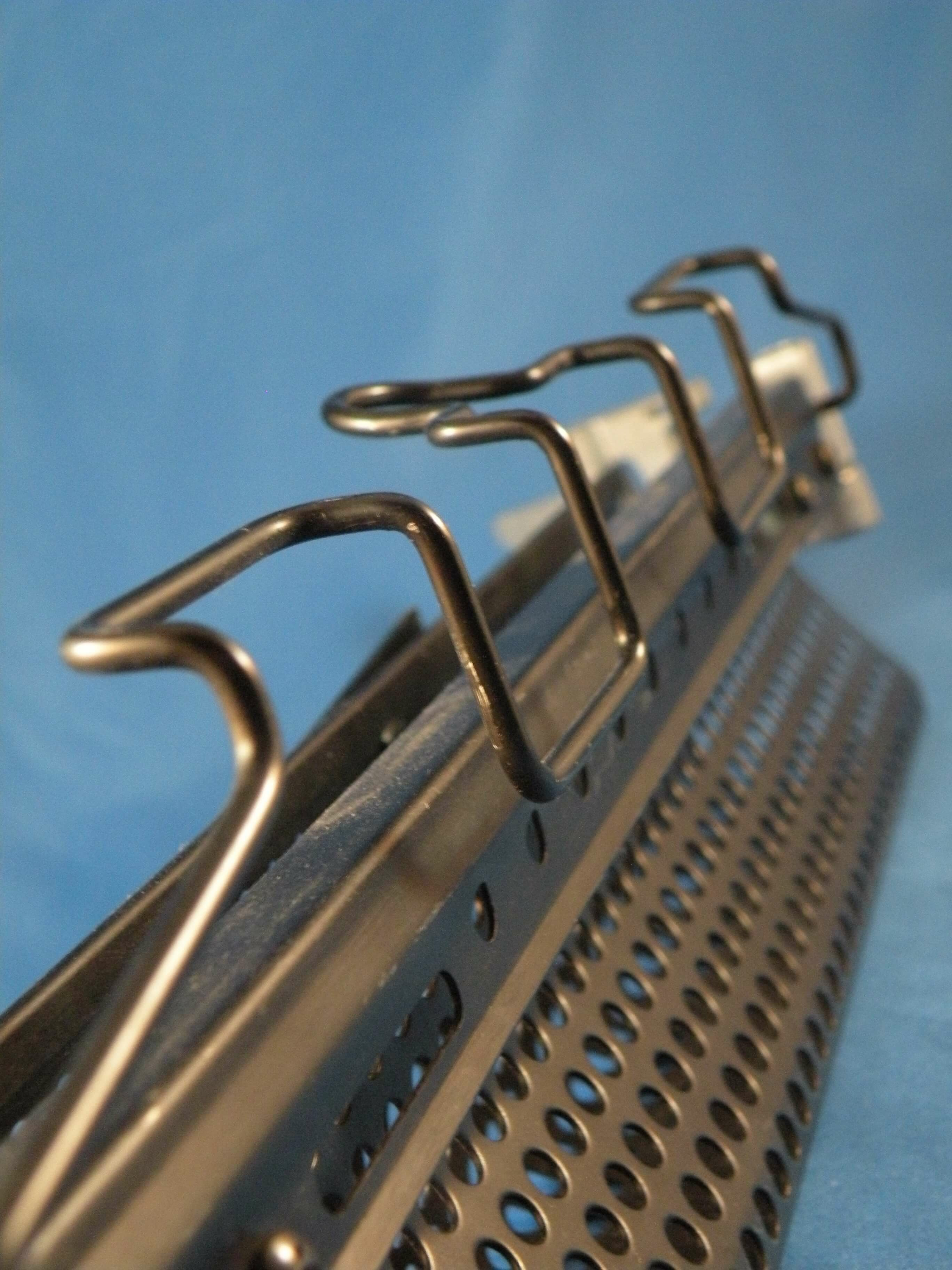
Four-slide forming is the process we use when a clip or retainer has compound bends, multiple formed features, or a geometry that would require excessive secondary operations if produced on a progressive die. The four-slide process allows us to form multiple features in sequence on a single piece of wire or strip stock, producing clip geometries that would be difficult or cost-prohibitive to achieve through other forming methods. For automotive retainer clips that require a specific engagement or retention feature alongside a formed spring section, four-slide gives us the geometry control that the part specification demands without adding operations that drive up per-unit cost at automotive volumes.
Progressive Die Stamping for High-Volume Retainer Clips
For metal automotive clips produced from flat strip stock where the geometry is compatible with progressive die forming, we run these programs on our progressive stamping equipment. Progressive die is the correct process when the part requires blanking, forming, and coining features in a defined sequence that maintains dimensional control through each stage. For retainer clip programs with tight tolerances on the engagement feature or retention force window, we design coining operations into the die progression specifically to manage spring-back and hold the geometry within specification across the production run.
Material and Surface Treatment for Automotive Clips
The material specification for an automotive clip or retainer is driven by where the part lives in the vehicle and what it has to do there. Underbody clips and retainers in corrosive environments typically call for stainless steel or a steel substrate with a zinc or zinc-nickel plating specification. Interior trim retainer clips in lower-exposure environments may run in cold-rolled steel or aluminum depending on the load and geometry requirements. For programs that carry a plating or surface treatment specification, we coordinate that work through our qualified supplier network and manage it as part of the program rather than as a separate sourcing step for your team.
Program Support From Tooling Through Production Release
Our automotive clips and retainer programs operate under our full IATF 16949:2016 quality management system, and our engineering team engages at the design stage to review part geometry, material selection, and forming feasibility before tooling is committed. Identifying a geometry concern or material mismatch before the die is cut avoids the tooling rework cost and schedule impact of finding it during first-article. For programs transitioning from another supplier, we maintain a structured tooling transfer process that covers incoming inspection, trial production runs, first-article validation, and production release sign-off before the program moves to full volume.
Our customer base for automotive clip and retainer programs includes Tier 1 program teams and OEM sourcing organizations supporting production at Mercedes-Benz, Toyota, Honda, Subaru, General Motors, FCA, and Volkswagen. If your program requires a full PPAP submission, our quality team manages the complete package including dimensional reports, material certifications, and process capability documentation. These clip and retainer programs sit alongside our broader automotive stamping portfolio that covers progressive stampings, springs, wire-forms, and mechanical assemblies. You can review our full automotive capabilities on our automotive stamping and springs page.
Request a Quote for Your Automotive Clip or Retainer Program
If you are sourcing metal automotive clips, automotive retainer clips, or stamped fasteners for a Tier 1 or OEM program, contact our team to discuss your geometry, volume, material, and retention force requirements. We can respond to an RFQ and walk through tooling approach, process capability, and production readiness in detail.
Need a custom solution?
If you are looking for cost reduction through design innovation, challenge us!
Frequently Asked Questions
Stamped metal retainer clips are used where the retention force requirement, operating temperature, or exposure environment rules out plastic. Metal clips maintain their formed geometry and retention force through a wider temperature range than most plastic alternatives, which makes them the correct choice for under-hood assemblies, areas with elevated thermal cycling, or programs where the clip is expected to hold a structural or load-bearing connection rather than a lightweight trim panel. Plastic push-pin retainers are common in interior trim and low-load body panel applications. When the program calls for metal, PSS produces the stamped clip to the retention force and geometry specification your program defines.
Retention force on a retainer clip is controlled through material temper selection, die clearance, and the depth and geometry of the coining operations we build into the tooling. The tolerance window we can hold depends on the clip geometry and material, so we review retention force specifications as part of our engineering process at the start of every new program. We validate retention force during first-article inspection and monitor it at defined intervals during production. If your program specifies a minimum engagement force, a maximum release force, or both, those parameters are part of our process setup and ongoing quality controls rather than something checked only at PPAP.
Yes. Our four-slide forming capability exists specifically for part geometries that require multiple bends, a combination of spring and engagement features, or formed details that would be difficult to produce cleanly on a progressive die. Many automotive retainer clips combine a retention feature with a spring section or a self-locking geometry in a single formed part, and four-slide is the process that handles that combination without requiring secondary operations. We select between progressive die and four-slide at the program engineering stage based on what the part geometry actually calls for.
Consistency at high volume starts with tooling design. We build die clearances, coining depths, and material guidance features into the tooling specifically to minimize process variation at the geometry features that control clip performance. Beyond tooling, our IATF 16949 quality management system defines inspection frequency, measurement methods, and control chart monitoring for the critical dimensions on every production program. For retainer clip programs where a geometry shift at one feature would cause an assembly fit issue at the OEM plant, those dimensions are identified during PPAP and monitored through the production life of the program.
Yes. We operate in-house part washing with ISO 16232:2018 cleanliness capability, and we can incorporate washing directly into the production sequence for programs that carry a cleanliness specification. Cleanliness requirements on clip and retainer programs are less common than on electrical or fuel system components, but they do appear on programs where the clip interfaces with a sealed assembly or a fluid system connection. If your clip program carries a cleanliness class specification, we can build that step into the production sequence and provide the verification documentation your program requires.
Explore Other Automotive Products
Looking for a different stamped automotive component? We produce a full range of custom metal stamped parts for Tier 1 suppliers and OEM programs.
Automotive Electrical & Grounding Stampings
Automotive Brackets & Mounting Hardware
Don't see what you need? Contact us and we can discuss whether your part is something we can produce. If it can be stamped, formed, or sprung, there is a good chance we have run something similar before.